J
O
B
V
O
O
J
O
B
V
O
O
J
O
B
V
O
O
J
O
B
V
O
O


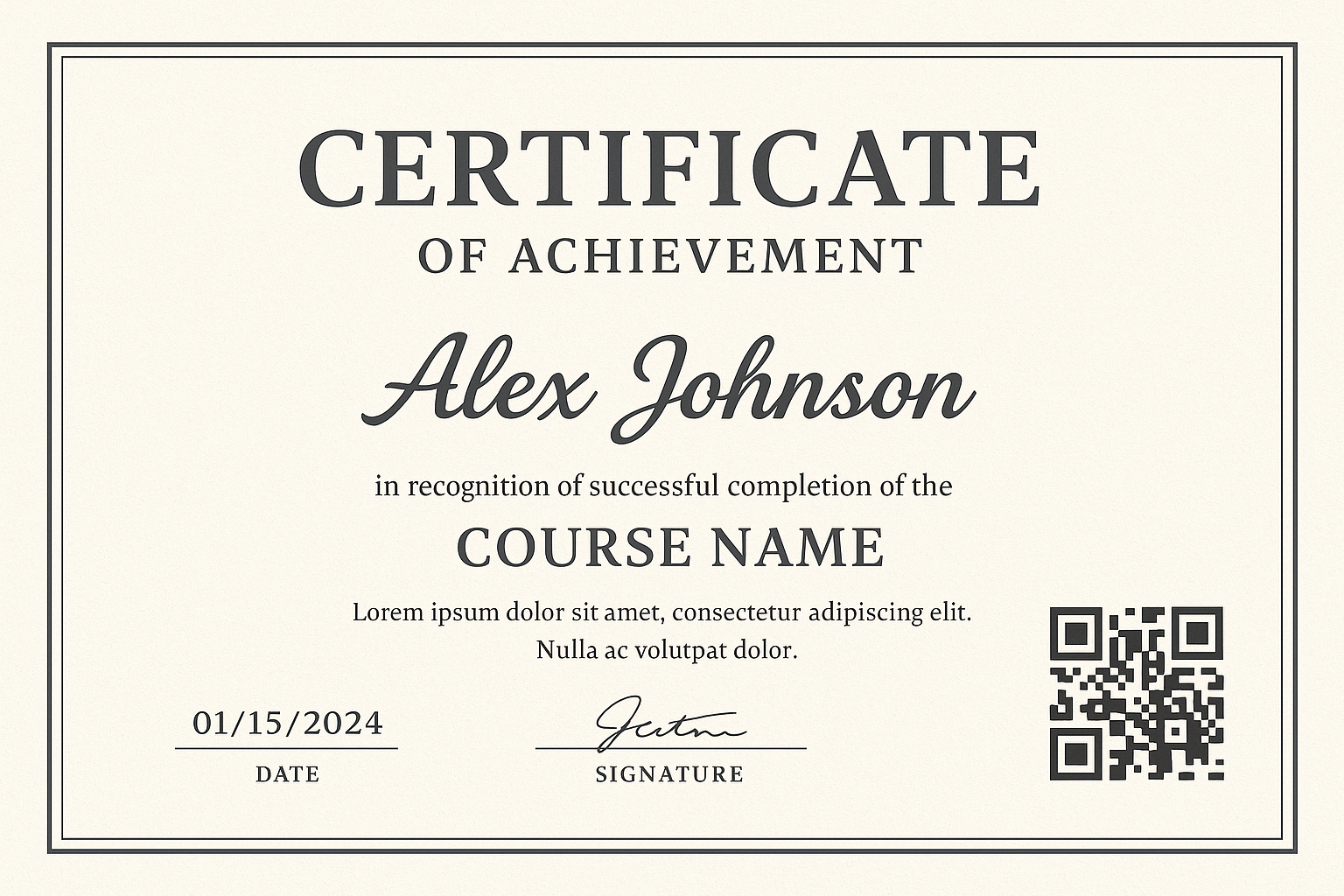
In every school across India, from small towns to big metro cities, one common scene during annual functions, sports day, cultural fests or academic ceremonies is the distribution of certificates and awards. These pieces of paper or trophies may look simple on the surface, but they carry deep meaning in a student’s journey. In fact, for many children and their parents, holding that certificate in hand becomes a moment of pride that gets remembered for years. At the same time, behind the stage, school administrators and teachers face a very practical challenge: how to design, print, and distribute these certificates on time and in the right format.
Children put in effort throughout the year – whether in academics, sports, art, music, debates, or even volunteering in school activities. Certificates and awards act as visible recognition of their efforts. A child who may not always top in studies but wins a certificate in painting or football feels equally valued. This recognition helps create balanced development, not just focus on marks.
A certificate serves as a milestone of achievement. When a student receives a “Best Speaker” award or a “100% Attendance” certificate, it gives a message that hard work and discipline are noticed. This becomes motivation for them to continue improving.
In Indian families, where parents often frame or store certificates, the motivation is doubled because the child sees their achievement valued at home too.
School is the first stage where a child builds his or her self-image. A child who stands on stage to receive an award feels seen, appreciated, and confident. Even a small certificate can help overcome shyness or hesitation. Over time, such recognition becomes part of a student’s character-building process.
Certificates are not just emotional tokens; they also hold academic and career value. For example, certificates in Olympiads, essay competitions, or sports tournaments can add weight in future college admissions, scholarship applications, and sometimes even in job interviews. For many Indian students, these records become the first official documents of their talents.
Not all students excel in studies. Some shine in drama, some in singing, some in cricket, some in coding competitions. When schools give awards across categories, it sends a clear message: Every talent is valuable. This makes children feel included and reduces the unhealthy obsession with only marks.
When students see their peers winning certificates, it sparks a healthy competitive spirit. They feel inspired to try harder. In group awards, like “Best House in Sports” or “Winning Quiz Team,” certificates also build team spirit and collaboration.
If we talk to any adult today, they may not remember every mark they got in exams, but they often remember the certificates they received in school. Those certificates stay in cupboards, files, or even laminated on walls for years. They become a part of one’s personal identity and memories of childhood.
It’s also important to note the psychological side. While awards encourage many, they can also create disappointment among those who do not receive them. Hence, schools must design award systems in such a way that every student gets some recognition over time, even if small – like “Participation Certificates,” “Best Effort,” or “Creative Thinker.”
While the importance of certificates is clear, schools face practical and administrative hurdles in designing and printing them, especially in India where events are frequent and sometimes large-scale.
Most schools have multiple events: sports day, cultural day, debate competitions, annual functions, inter-school fests, Independence Day or Republic Day events, and so on. Each event requires a separate design for certificates. The biggest challenge is last-minute rush – often event dates are fixed, but certificates are prepared only in the final week, leaving little time for error correction.
Certificates need to have the correct student name, class, section, event name, date, and authority signatures. Any mistake can cause embarrassment. For large schools with hundreds of participants, manually entering details is time-consuming and error-prone.
Sometimes schools outsource certificate printing to local vendors. Variations in paper quality, printing color, or design layout can reduce the value of the certificate. A certificate should look elegant, official, and consistent across batches.
Not every school has a big budget. While elite private schools may afford glossy certificates with embossing or gold foils, small schools (especially in semi-urban India) often struggle to balance between cost and quality. They need something affordable yet respectable.
Every event has its own theme. For example:
Ensuring that each design matches the spirit of the event is a creative challenge for administrators.
Even after design is finalized, printing delays can occur due to vendor workload, technical issues, or mistakes in spellings that require reprints. Schools often find themselves in a situation where certificates are being signed by principals just minutes before distribution.
Certificates carry official value only when signed by the principal, headmaster, or chief guest. Collecting signatures for hundreds of certificates is another logistical headache that requires proper planning.









 Phone:
63770 00460
Phone:
63770 00460
 Email:
info@jobvoo.com
Email:
info@jobvoo.com
 Location:
1C-51, Narayan Vihar, Gopalpura By Pass, Jaipur, Rajasthan, INDIA - 303006
Location:
1C-51, Narayan Vihar, Gopalpura By Pass, Jaipur, Rajasthan, INDIA - 303006