J
O
B
V
O
O
J
O
B
V
O
O
J
O
B
V
O
O
J
O
B
V
O
O


In today’s fast-paced digital world, businesses are constantly seeking ways to build trust while staying modern. Customers and partners no longer accept mere promises—they want proof, verification, and authenticity before they engage with a product, service, or institution. One powerful tool that is bridging this trust gap is the QR-based digital certificate.
Certificates have always played an important role in society. From educational achievements to product guarantees, they act as tangible proof of authenticity. But as the world has shifted to a digital-first environment, traditional paper certificates alone are no longer sufficient. They are often easy to forge, difficult to verify manually, and limited in scope. This is where QR codes integrated with digital certificates are changing the landscape—making certificates verifiable, connected, and reliable.
Let’s dive deep into the ground need of QR-based digital certificates, why they are becoming a necessity, and how different industries can benefit from them.
For decades, certificates have been seen as the ultimate validation. A school gives a student a certificate, a business gives a guarantee, or a government issues a license. These paper-based documents carry weight, but they also come with challenges:
In short, while traditional certificates provide legitimacy, they fall short in efficiency, trust, and global accessibility.
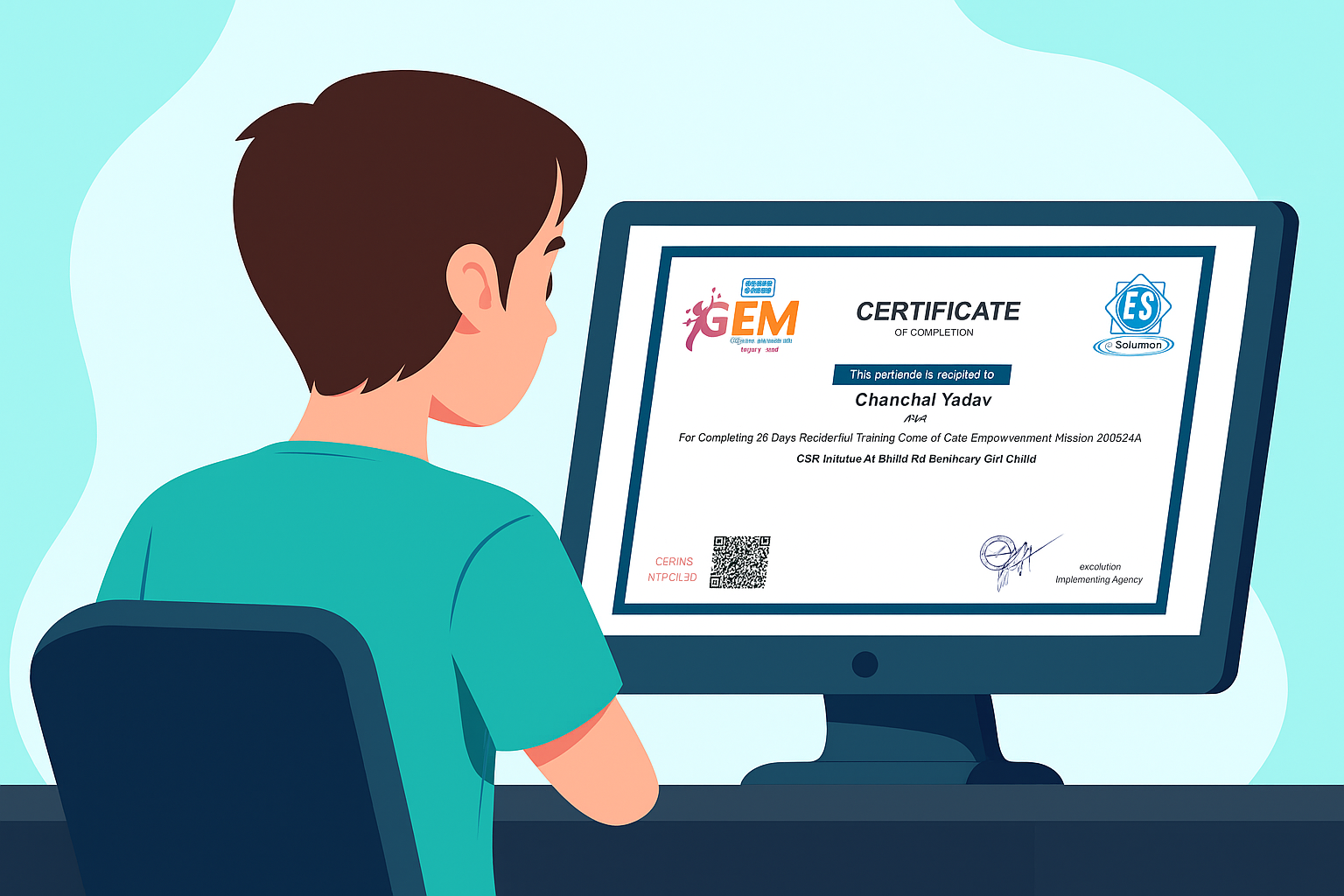
A QR-based digital certificate combines the trust of a traditional printed certificate with the power of digital verification. It works very simply:
This integration allows a certificate to function both in physical form (paper or card) and digital form (online verification).
Traditional verification may take days or weeks. QR codes provide instant online authentication with just one scan. This saves time for both businesses and customers.
In today’s competitive market, trust is currency. A QR-based certificate ensures that customers, partners, or regulators can check the authenticity of a claim in seconds.
QR-based certificates connect the physical world of paper credentials with the digital ecosystem. They modernize traditional processes without replacing them entirely.
Compared to high-cost verification systems, QR codes are relatively inexpensive to generate and integrate, making them ideal for small businesses and institutions.
For industries like pharmaceuticals, electronics, or luxury goods, counterfeit products are a massive threat. QR-enabled certificates can link directly to product authentication pages, ensuring only genuine products carry verified codes.
Whether it is a student applying abroad or a vendor seeking international contracts, QR-based certificates provide borderless credibility.
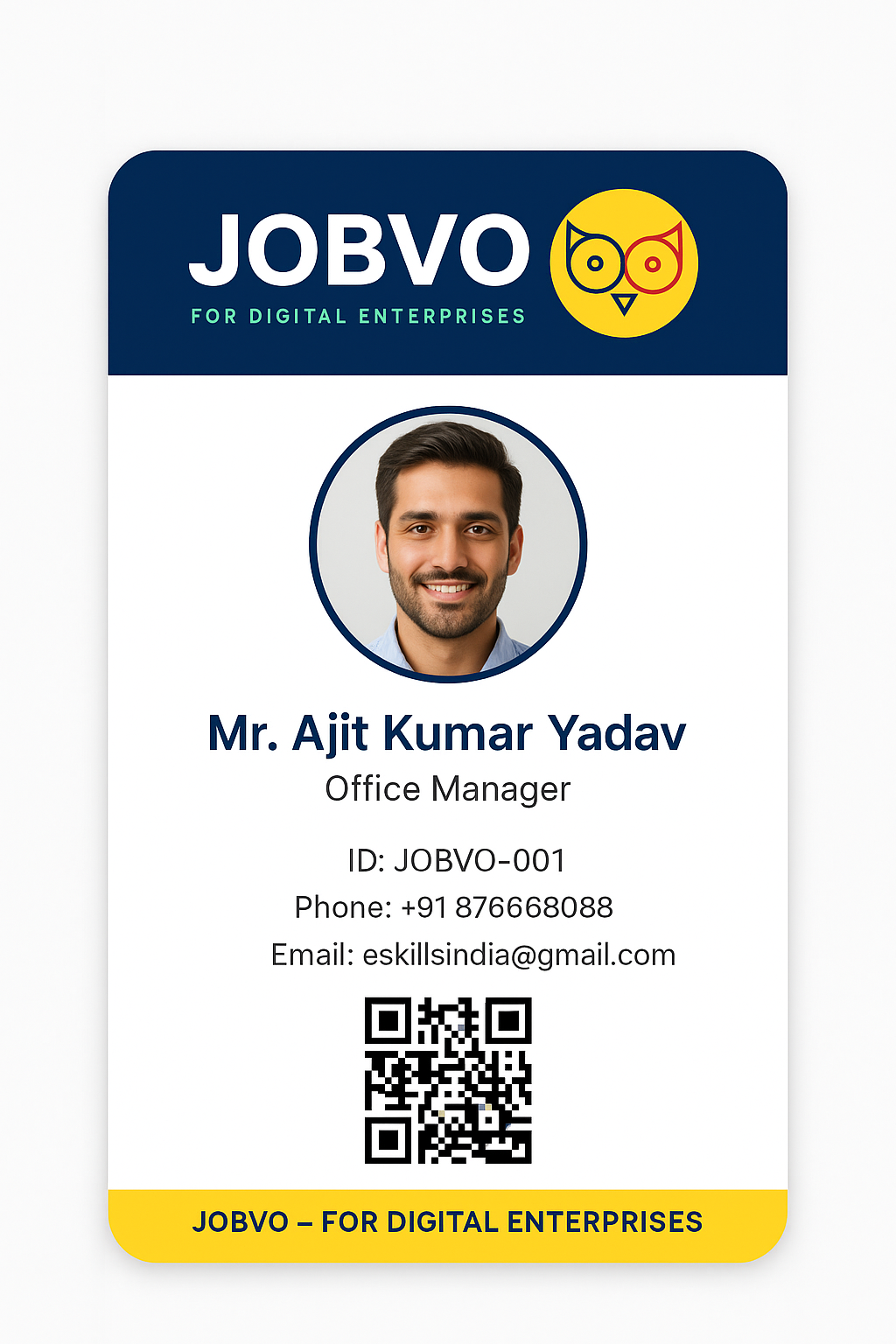
QR-based certificates are highly flexible in format and design.
They can be issued in standard A4 size for educational purposes, or in compact card size for ID badges and business credentials.
These examples prove that QR-based certificates are not just a trend but a long-term transformation in how trust is managed.
The future of QR-based certificates looks promising, especially as digital transformation accelerates. Some upcoming trends include:
In short, businesses that adopt QR-based certificates today are future-proofing their trust systems.
The ground need for QR-based digital certificates lies in the balance between authenticity and modernity. While traditional certificates carry trust, they lack speed and verification. QR-enabled certificates bridge this gap by offering instant authentication, transparency, and global accessibility.
They are not just useful but necessary in sectors like education, product authenticity, business verification, healthcare, and government services. As fraud becomes more sophisticated and customer expectations rise, businesses must embrace solutions that deliver confidence, efficiency, and security.
Integrating QR codes into traditional certificates is more than a trend—it’s a strategic necessity for institutions and businesses in the digital age. Those who adopt it early will enjoy trust, credibility, and a competitive advantage in an increasingly connected world.




 Phone:
63770 00460
Phone:
63770 00460
 Email:
info@jobvoo.com
Email:
info@jobvoo.com
 Location:
1C-51, Narayan Vihar, Gopalpura By Pass, Jaipur, Rajasthan, INDIA - 303006
Location:
1C-51, Narayan Vihar, Gopalpura By Pass, Jaipur, Rajasthan, INDIA - 303006